Skip to content

DESTINY-Breast03 HRQoL

Patient-reported outcomes of health-related quality of life in DESTINY-Breast031

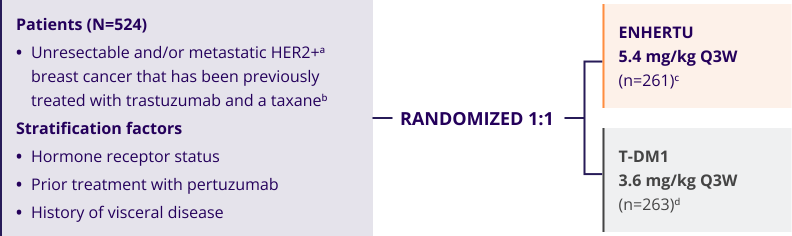
PROs of HRQoL were prespecified secondary endpoints in DESTINY-Breast03 and were assessed throughout the study

PROs of HRQoL were prespecified secondary endpoints in DESTINY-Breast03 and were assessed throughout the study PROs of HRQoL were prespecified secondary endpoints in DESTINY-Breast03 and were assessed throughout the study

Primary endpoint

  • PFS (BICR)

Key secondary endpoint

  • OS

Secondary endpoints

  • ORR (BICR and investigator)
  • DOR (BICR)
  • PFS (investigator)
  • Safety
  • HEOR outcomes (PROs and hospitalization rates)

PRO endpoint assessment schedulee:

  • Cycle 1
  • Cycle 2
  • Cycle 3
  • Every 2
    cycles
    (cycle 5, 7, 9,
    etc)
  • Every 2 cycles
    (cycle 5, 7, 9, etc)
  • EOT
  • 40-day
    follow-up
  • 3-month
    follow-up

Reprinted from Annals of Oncology, Vol. 34(7), Curigliano G, Dunton K, Rosenlund M, et al., Patient-reported outcomes and hospitalization data in patients with HER2-positive metastatic breast cancer receiving trastuzumab deruxtecan or trastuzumab emtansine in the phase III DESTINY-Breast03 study, Pages No. 569-577, Copyright 2023, with permission from Elsevier.

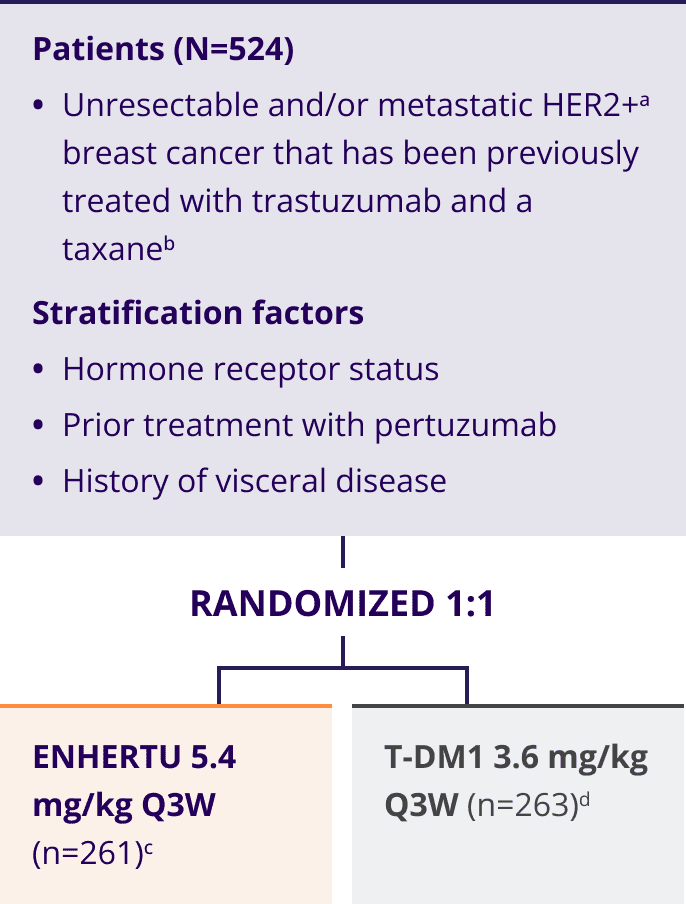
aHER2 IHC 3+ or IHC 2+/ISH+ based on central confirmation.

bProgression during or <6 months after completing adjuvant therapy involving trastuzumab and a taxane.

cFour patients were randomly assigned but not treated.

dTwo patients were randomly assigned but not treated.

e1 cycle, 21 days; ENHERTU or T-DM1 administered on day 1 of each cycle; questionnaires completed before treatment on day 1 of cycles indicated.

HRQoL for patients was assessed across several measurements

Primary and secondary PRO assessment instruments and variables of interest

Measurements
EORTC QLQ-C30

Oncology-specific Quality of Life Questionnaire Core 30

Measurements
  • Global health status (GHS)/quality of life (QoL)f
  • Physical functioningg
  • Emotional functioningg
  • Social functioningg
  • Pain symptomsg
EORTC QLQ-BR45

Breast cancer–specific instrument

Measurements
  • Arm symptomsg
  • Breast symptomsg
EQ-5D-5L

EuroQol 5-dimension 5-level
questionnaire visual
analogue scale

Measurements
  • Visual analogue scale (VAS)g
  • Analyses included change from baseline, time to definitive deterioration, and hospitalization-related endpoints
  • Most patients in both treatment groups completed the QoL questionnaires as prescribed in the trial
    • >97% compliance at baseline
    • >82% compliance from cycles 3-27
    • >90% compliance at the follow-up

Patients who had discontinued the trial were not included in further PRO assessments.

fPrimary PRO variable of interest.

gSecondary PRO variable of interest.

HRQoL was assessed using 3 PRO measures in DESTINY-Breast031

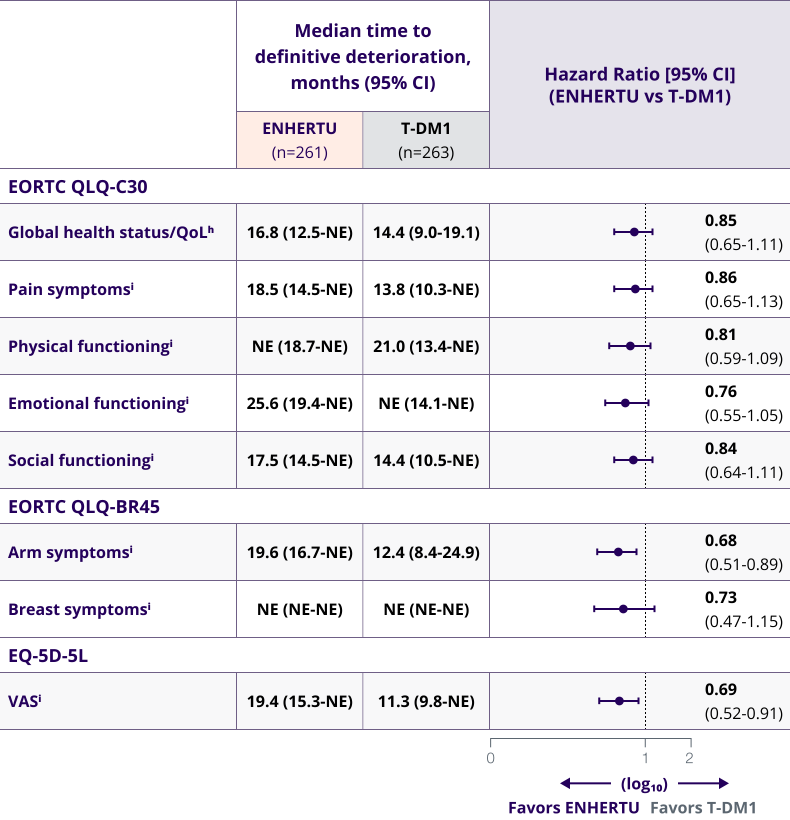
Median time to definitive deterioration in patient-reported QoL measures in DESTINY-Breast03

Median time to definitive deterioration in patient-reported QoL measures in DESTINY-Breast03 Median time to definitive deterioration in patient-reported QoL measures in DESTINY-Breast03
  • Time to definitive deterioration was defined as the number of days between the date of randomization and the date of the assessment at which the definitive deterioration event (a prespecified, ≥10-point change from baseline of the specific score in the direction of deterioration [positive for symptom scales, negative for all others], and deterioration on two or more consecutive visits or at last visit), is first seen

Reprinted from Annals of Oncology, Vol. 34(7), Curigliano G, Dunton K, Rosenlund M, et al., Patient-reported outcomes and hospitalization data in patients with HER2-positive metastatic breast cancer receiving trastuzumab deruxtecan or trastuzumab emtansine in the phase III DESTINY-Breast03 study, Pages No. 569-577, Copyright 2023, with permission from Elsevier.

PRO measures are reported such that a high GHS/QoL or VAS score represents a high QoL, a high score on functional scales represents a high level of functioning, and a high score on symptom scales represents a high level of symptomatology. Time to definitive deterioration was defined as the number of days between the date of randomization and the date of the assessment at which the definitive deterioration event is first observed (ie, a change exceeding +10 points for symptom scales, or a change exceeding –10 points for GHS, VAS, and functional scales, with deterioration on two or more consecutive visits or at last visit). P values are not adjusted for multiple testing.

hPrimary PRO variable of interest.

iSecondary PRO variable of interest.

Explore the study results and select HRQoL data from DESTINY-Breast03

Learn more about DESTINY-Breast03 trial results, including health-related quality of life, from a key opinion leader.

I’m Dr Jules Cohen, Clinical Associate Professor of Medicine at Stony Brook University. In my practice, I have many patients with HER2-positive metastatic breast cancer who have progressed on first-line therapy.

As part of our discussion today, we’re going to review the characteristics of patients with HER2-positive mBC who have progressed on first-line therapy.

Patients with metastatic breast cancer demonstrate a variety of clinical and nonclinical characteristics, all of which factor into my decision about what to do next.

Important considerations for the next line of therapy include the age of the patient, their performance status, their overall burden of disease, whether or not they have visceral metastases, prior therapies that they’ve received, and of course, whether or not they have brain metastases.

Other important aspects to consider when determining the appropriate second-line treatment for a patient include, but are not limited to, duration of treatment and rate of disease progression on first-line therapy, as well as the current severity of disease.

Gaining knowledge of these factors assist in understanding how severe the disease is at this stage and what direction we can proceed in terms of treatment.

There are nonclinical factors to consider as well, such as the goals of each individual patient, their financial capacity, and their ability to understand treatment and monitor for known side effects.

I’d like to share with you an example of one of these patients from my practice, what decision we reached together, and how she fared on that treatment.

My patient was diagnosed with de novo HR-positive HER2-positive mBC and she had recently progressed on her initial treatment with THP. She’s a 55-year-old female with good performance status.

Historically, it was understood that HR-positive patients also described as triple positive could benefit from hormonal therapy, a combination of an anti-estrogen and HER2-targeted treatment. This combination therapy typically included an aromatase inhibitor and trastuzumab in early lines of therapy.

More recently, however, medical oncologists have been shifting the treatment pattern by using chemotherapy in earlier lines. With the current recommendation in first-line therapy, THP, the consensus is that all patients with HER2-positive mBC should get this first-line treatment regardless of ER status.

After a patient progresses on first-line therapy, you are faced with the same challenge in second line. A medical oncologist could theoretically give a historically reliable therapy to these triple positive patients, considering their diagnosis and progression, but the data for newer HER2-directed treatments may be balanced for efficacy and safety, supporting the use in these patient types as well.

My patient received six cycles of THP with an excellent radiologic response. She continued on maintenance HP every three weeks with restaging scans every three months. After 32 months on therapy, restaging CT scans showed the development of new liver lesions. Biopsy of the liver lesions showed metastatic carcinoma consistent with breast primary. ER was strongly positive and HER2 was 3+ by IHC, consistent with HER2 overexpression. Additionally, a brain MRI was performed and did not indicate brain metastasis.

This news was upsetting for her to hear, but she was relieved and hopeful for the future when I discussed her options for second-line treatment.

First and most importantly, we discussed what her goals were moving forward. My patient has an incomparable passion for life. She is ready and willing to fight this battle with all her might. As a wife, a mother, and a business owner, her desire to maintain an active lifestyle, participate in family activities, and continue to work meant we needed to carefully consider the benefit-risk profile of every available treatment.

The two treatment options we discussed were ENHERTU and T-DM1. Comparing ENHERTU versus T-DM1 is a common discussion point when determining the appropriate option for second-line therapy. Based on the guidelines, it is standard to give THP in the first line and ENHERTU in the second line. While these guidelines are influential, it is the role of medical oncologists to manage treatment with approved dosing, dosing schedules, proper monitoring of adverse reactions, and treatment with prophylactic interventions.

After discussing the benefits and risks of both treatment options at length, we ultimately decided to proceed with ENHERTU.

Prior to initiating ENHERTU, I reviewed the efficacy results from DESTINY-Breast03. I explained that this was the first head-to-head trial of ENHERTU versus T-DM1 and noted that this treatment was the alternative option that we had discussed.

With ENHERTU administered as monotherapy, the adverse reactions observed in the trial are established, and thus healthcare providers may be able to anticipate and use proactive management.

One of those key adverse reactions is interstitial lung disease, or ILD, and pneumonitis. ILD is categorized according to its severity and necessary intervention. Grades 1 and 2 indicate asymptomatic or mildly symptomatic patients who can be managed by observation or medical intervention. Grade 3 ILD indicates severe symptoms, while Grade 4 represents life-threatening respiratory compromise requiring urgent intervention. And Grade 5 refers to cases resulting in death.

Although ILD is a serious concern, it is manageable when caught early, and so we focused on the signs and symptoms that she should look out for, such as coughing, dyspnea, fever, or new or worsening respiratory symptoms.

I explained our protocol for investigating any evidence of ILD/pneumonitis, recognizing signs and symptoms with a synergistic approach based on my patient’s self-assessment and evaluation of vital signs such as respiratory rate and O2 saturation, performing CT scans to screen patients with asymptomatic ILD and to scan patients with symptomatic ILD for diagnosis, initiating steroids, in addition to a potential suspension of treatment with ENHERTU, and considering formal pulmonary consultation depending on severity.

Other potential adverse events included nausea and vomiting. Because ENHERTU can induce delayed nausea and or vomiting, I always administer prophylactic antiemetic medications per my institution’s guidelines.

Alopecia is also a common adverse event with ENHERTU. Some of my patients have experienced Grade 1 alopecia, which is consistent with the majority of alopecia events in DESTINY-Breast03. Grade 1 alopecia is defined as hair loss of less than 50% of normal for that individual that is not obvious from a distance, but only on close inspection. Grade 2 alopecia is defined as hair loss of greater than or equal to 50% of normal for that individual that is readily apparent to others. In an ideal setting, most patients would prefer to maintain their physical appearance, but when balancing efficacy versus safety, especially with ENHERTU, it’s important to review the benefit-risk profile and keep the patient’s goals and desires in mind.

Let’s reflect on my patient’s previous combination therapy. With current recommendation for first-line treatment, the incidence of alopecia is high and expected. As discussed earlier, the consensus is that all patients with HER2-positive mBC should receive THP in the first line regardless of ER status.

Historically, I’ve always tried to spare patients the toxicity from treatment in the mBC setting because there was not a lot of data to suggest that one treatment was better than another.

The PFS and OS data for ENHERTU were superior to T-DM1, which has established this treatment as the standard of care in second-line HER2-positive mBC.

There is a dose reduction schedule, the ability to provide supportive care, and monitor for adverse reactions.

For the majority of patients in DESTINY-Breast03, Grades 1 or 2 neutropenia were observed; similar to fatigue, diarrhea, and constipation, which had a majority of Grade 1 occurrences.

These data align with what I see with most patients taking ENHERTU in my practice.

I often share with my patients that efficacy and toxicity are not directly related to each other. If a patient has an adverse reaction, it doesn’t mean that the treatment is or is not working; it just means they’re having an adverse reaction.

Not all treatments are one size fits all. Each patient reacts differently, and it’s important to evaluate dosing on an individual basis using the dose reduction schedule.

A restaging scan showed improvement in all metastatic sites with no evidence of progression. She did experience some nausea during the first three or four cycles, but this was managed with ondansetron. She did experience Grade 1 alopecia, but this did not worsen by cycle five of ENHERTU. I observed Grade 1 neutropenia in this patient that did not increase in severity throughout treatment. She did not experience diarrhea but did report fatigue and constipation.

We will continue the course of treatment with ENHERTU as planned, as well as continue to monitor closely for any safety signals of interest such as ILD/pneumonitis.

Because my patient’s clinical profile fit those of the patients in DESTINY-Breast03, I was encouraged to see the positive results she achieved while on treatment with ENHERTU.

DESTINY-Breast03 was a Phase 3 head-to-head study of ENHERTU versus T-DM1 of 524 previously treated adults with HER2-positive mBC. A range of patients were studied, including those with good performance status and visceral metastases in the liver who’d received trastuzumab and a taxane, just like my patient.

The initial PFS data from DESTINY-Breast03 demonstrated clear superiority of ENHERTU over T-DM1. It is clear that ENHERTU has established itself as the standard of care for this patient population in HER2-positive metastatic breast cancer.

In the updated analysis, patients receiving ENHERTU experienced 28.8 months median progression-free survival, whereas those in the T-DM1 arm experienced 6.8 months median PFS.

Additionally, ENHERTU demonstrated a superior overall survival benefit versus T-DM1.

ENHERTU was associated with common adverse reactions, including laboratory abnormalities. The nausea, alopecia, fatigue, constipation, and neutropenia my patient experienced were all in line with the expectations set by the ENHERTU safety profile in DESTINY-Breast03.

The pooled safety data for ENHERTU 5.4 mg/kg further highlights the key safety signals of interest—ILD, neutropenia, and left ventricular dysfunction—and confirms the risk-benefit profile of ENHERTU.

In what types of patients would you consider treatment with ENHERTU? Based on the clinical data, many types of patients may be eligible for treatment. Evaluate the efficacy and safety results of ENHERTU for yourself to see if this treatment is appropriate for your patients with second-line HER2-positive mBC.

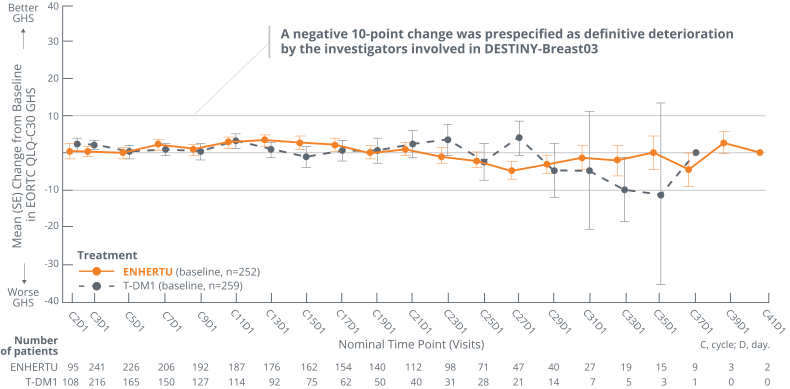
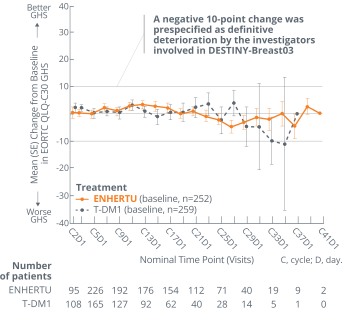
EORTC QLQ-C30 GHS was assessed over time in DESTINY-Breast031

EORTC QLQ-C30 GHS change from baseline over time in patients treated with ENHERTU and T-DM1

EORTC QLQ-C30 GHS change from baseline over time in patients treated with ENHERTU and T-DM1 EORTC QLQ-C30 GHS change from baseline over time in patients treated with ENHERTU and T-DM1
  • Scores range from 0 to 100; the investigators considered a higher score to represent higher (“better”) GHS/overall QoL

Limitations: The EORTC QLQ-C30 is not all-inclusive and does not include adequate assessment of additional expected treatment-related symptoms or overall side effect bother from the patient perspective. The results should be interpreted with caution due to the open-label design of the study and because time to definitive deterioration may be confounded by events not related to disease/treatment

Reprinted from Annals of Oncology, Vol. 34(7), Curigliano G, Dunton K, Rosenlund M, et al., Patient-reported outcomes and hospitalization data in patients with HER2-positive metastatic breast cancer receiving trastuzumab deruxtecan or trastuzumab emtansine in the phase III DESTINY-Breast03 study, Pages No. 569-577, Copyright 2023, with permission from Elsevier.

BICR, blinded independent central review; CI, confidence interval; DOR, duration of response; EORTC, European Organization for Research and Treatment of Cancer; EOT, end of treatment; EQ-5D-5L, EuroQoL 5-dimension, 5-level questionnaire; GHS, global health status; HEOR, health economics and outcomes research; HER2, human epidermal growth factor receptor 2; HR, hazard ratio; HRQoL, health-related quality of life; IHC, immunohistochemistry; ISH, in situ hybridization; NE, not evaluable; ORR, objective response rate; OS, overall survival; PFS, progression-free survival; PRO, patient-reported outcome; Q3W, every 3 weeks; QLQ-BR45, Quality of Life Breast Cancer questionnaire; QLQ-C30, Quality of Life Questionnaire Core 30; QoL, quality of life; TDD, time to definitive deterioration; T-DM1, ado-trastuzumab emtansine; VAS, visual analogue scale.

WARNING: INTERSTITIAL LUNG DISEASE and EMBRYO-FETAL TOXICITY

  • Interstitial lung disease (ILD) and pneumonitis, including fatal cases, have been reported with ENHERTU. Monitor for and promptly investigate signs and symptoms including cough, dyspnea, fever, and other new or worsening respiratory symptoms. Permanently discontinue ENHERTU in all patients with Grade 2 or higher ILD/pneumonitis. Advise patients of the risk and to immediately report symptoms.
  • Exposure to ENHERTU during pregnancy can cause embryo-fetal harm. Advise patients of these risks and the need for effective contraception.
INDICATION

ENHERTU is a HER2-directed antibody and topoisomerase inhibitor conjugate indicated:

  • HER2-Positive Metastatic Breast Cancer
    • In combination with pertuzumab as first-line treatment of adult patients with unresectable or metastatic HER2-positive (IHC 3+ or ISH+) breast cancer, as determined by an FDA-approved test
    • As monotherapy for the treatment of adult patients with unresectable or metastatic HER2-positive (IHC 3+ or ISH+) breast cancer who have received a prior anti-HER2-based regimen either in the metastatic setting, or, in the neoadjuvant or adjuvant setting and have developed disease recurrence during or within six months of completing therapy

Contraindications

None.

Warnings and Precautions

Interstitial Lung Disease / Pneumonitis

Severe, life-threatening, or fatal interstitial lung disease (ILD), including pneumonitis, can occur in patients treated with ENHERTU monotherapy or ENHERTU in combination with pertuzumab. A higher incidence of Grade 1 and 2 ILD/pneumonitis has been observed in patients with moderate renal impairment. Advise patients to immediately report cough, dyspnea, fever, and/or any new or worsening respiratory symptoms. Monitor patients for signs and symptoms of ILD. Promptly investigate evidence of ILD. Evaluate patients with suspected ILD by radiographic imaging. Consider consultation with a pulmonologist. For asymptomatic ILD/pneumonitis (Grade 1), interrupt ENHERTU until resolved to Grade 0, then if resolved in ≤28 days from date of onset, maintain dose. If resolved in >28 days from date of onset, reduce dose 1 level. Consider corticosteroid treatment as soon as ILD/pneumonitis is suspected (e.g., ≥0.5 mg/kg/day prednisolone or equivalent). For symptomatic ILD/pneumonitis (Grade 2 or greater), permanently discontinue ENHERTU. Promptly initiate systemic corticosteroid treatment as soon as ILD/pneumonitis is suspected (e.g., ≥1 mg/kg/day prednisolone or equivalent) and continue for at least 14 days followed by gradual taper for at least 4 weeks.

Metastatic Breast Cancer and Other Solid Tumors (5.4 mg/kg)

ENHERTU as Monotherapy

In patients treated with ENHERTU 5.4 mg/kg, ILD occurred in 12% of patients. Median time to first onset was 5.5 months (range: 0.9 to 31.5). Fatal outcomes due to ILD and/or pneumonitis occurred in 0.9% of patients treated with ENHERTU.

ENHERTU in Combination with Pertuzumab

In patients treated with ENHERTU 5.4 mg/kg in combination with pertuzumab (N=431), ILD occurred in 12% of patients. Median time to first onset was 8.0 months (range: 0.6 to 33.8). Fatal outcomes due to ILD and/or pneumonitis occurred in 0.5% of patients treated with ENHERTU in combination with pertuzumab.

Neutropenia

Severe neutropenia, including febrile neutropenia, can occur in patients treated with ENHERTU monotherapy or ENHERTU in combination with pertuzumab. Monitor complete blood counts prior to initiation of ENHERTU and prior to each dose, and as clinically indicated. For Grade 3 neutropenia (Absolute Neutrophil Count [ANC] <1.0 to 0.5 x 10⁹/L), interrupt ENHERTU until resolved to Grade 2 or less, then maintain dose. For Grade 4 neutropenia (ANC <0.5 x 10⁹/L), interrupt ENHERTU until resolved to Grade 2 or less, then reduce dose by 1 level. For febrile neutropenia (ANC <1.0 x 10⁹/L and temperature >38.3º C or a sustained temperature of ≥38º C for more than 1 hour), interrupt ENHERTU until resolved, then reduce dose by 1 level.

Metastatic Breast Cancer and Other Solid Tumors (5.4 mg/kg)

ENHERTU as Monotherapy

In patients treated with ENHERTU 5.4 mg/kg, a decrease in neutrophil count was reported in 65% of patients. Nineteen percent had Grade 3 or 4 decreased neutrophil count. Median time to first onset of decreased neutrophil count was 22 days (range: 2 to 939). Febrile neutropenia was reported in 1.2% of patients.

ENHERTU in Combination with Pertuzumab

In patients treated with ENHERTU 5.4 mg/kg in combination with pertuzumab (N=431), decreased neutrophil count occurred in 79% of patients. Median time to first onset was 22 days (range: 5 to 994). Twenty-nine percent had Grade 3 or 4 decreased neutrophil count. Febrile neutropenia was reported in 2.6% of patients.

Left Ventricular Dysfunction

Patients treated with ENHERTU may be at increased risk of developing left ventricular dysfunction. Left ventricular ejection fraction (LVEF) decrease has been observed with anti-HER2 therapies, including ENHERTU. Assess LVEF prior to initiation of ENHERTU and at regular intervals during treatment as clinically indicated. Manage LVEF decrease through treatment interruption. When LVEF is >45% and absolute decrease from baseline is 10-20%, continue treatment with ENHERTU. When LVEF is 40-45% and absolute decrease from baseline is <10%, continue treatment with ENHERTU and repeat LVEF assessment within 3 weeks. When LVEF is 40-45% and absolute decrease from baseline is 10-20%, interrupt ENHERTU and repeat LVEF assessment within 3 weeks. If LVEF has not recovered to within 10% from baseline, permanently discontinue ENHERTU. If LVEF recovers to within 10% from baseline, resume treatment with ENHERTU at the same dose. When LVEF is <40% or absolute decrease from baseline is >20%, interrupt ENHERTU and repeat LVEF assessment within 3 weeks. If LVEF of <40% or absolute decrease from baseline of >20% is confirmed, permanently discontinue ENHERTU. Permanently discontinue ENHERTU in patients with symptomatic congestive heart failure. Treatment with ENHERTU has not been studied in patients with a history of clinically significant cardiac disease or LVEF <50% prior to initiation of treatment.

Metastatic Breast Cancer and Other Solid Tumors (5.4 mg/kg)

ENHERTU as Monotherapy

In patients treated with ENHERTU 5.4 mg/kg, LVEF decrease was reported in 4.6% of patients, of which 0.6% were Grade 3 or 4.

ENHERTU in Combination with Pertuzumab

In patients treated with ENHERTU 5.4 mg/kg in combination with pertuzumab (N=431), LVEF decrease was reported in 11% of patients, of which 2.1% were Grade 3 or 4.

Embryo-Fetal Toxicity

ENHERTU can cause fetal harm when administered to a pregnant woman. Advise patients of the potential risks to a fetus. Verify the pregnancy status of females of reproductive potential prior to the initiation of ENHERTU. Advise females of reproductive potential to use effective contraception during treatment and for 7 months after the last dose of ENHERTU. Advise male patients with female partners of reproductive potential to use effective contraception during treatment with ENHERTU and for 4 months after the last dose of ENHERTU.

Additional Dose Modifications

Thrombocytopenia

For Grade 3 thrombocytopenia (platelets <50 to 25 x 109/L) interrupt ENHERTU until resolved to Grade 1 or less, then maintain dose. For Grade 4 thrombocytopenia (platelets <25 x 109/L) interrupt ENHERTU until resolved to Grade 1 or less, then reduce dose by 1 level.

Adverse Reactions

Metastatic Breast Cancer and Other Solid Tumors (5.4 mg/kg)

ENHERTU as Monotherapy

The pooled safety population reflects exposure to ENHERTU 5.4 mg/kg intravenously every 3 weeks in 2233 patients in Study DS8201-A-J101 (NCT02564900), DESTINY-Breast01, DESTINY-Breast02, DESTINY-Breast03, DESTINY-Breast04, DESTINY-Breast06, and other clinical trials. Among these patients, 67% were exposed for >6 months and 38% were exposed for >1 year. In this pooled safety population, the most common (≥20%) adverse reactions, including laboratory abnormalities, were decreased white blood cell count (73%), nausea (72%), decreased hemoglobin (67%), decreased neutrophil count (65%), decreased lymphocyte count (60%), fatigue (55%), decreased platelet count (48%), increased aspartate aminotransferase (46%), increased alanine aminotransferase (44%), increased blood alkaline phosphatase (39%), vomiting (38%), alopecia (37%), constipation (32%), decreased blood potassium (32%), decreased appetite (31%), diarrhea (30%), and musculoskeletal pain (24%).

ENHERTU in Combination with Pertuzumab

The pooled safety population reflects exposure to ENHERTU 5.4 mg/kg in combination with pertuzumab intravenously every 3 weeks in 431 patients in DESTINY-Breast07 (n=50), and DESTINY-Breast09 (n=381). Among these patients, 86% were exposed for >6 months and 73% were exposed for >1 year. In this pooled safety population, the most common (≥20%) adverse reactions, including laboratory abnormalities, were decreased white blood cell count (86%), decreased hemoglobin (80%), decreased neutrophil count (79%), nausea (74%), increased alanine aminotransferase (65%), diarrhea (64%), increased aspartate aminotransferase (63%), decreased lymphocyte count (61%), decreased platelet count (55%), increased blood alkaline phosphatase (54%), decreased blood potassium (54%), fatigue (53%), alopecia (48%), vomiting (46%), upper respiratory tract infection (32%), constipation (31%), decreased appetite (31%), decreased weight (28%), musculoskeletal pain (23%), abdominal pain (22%), and increased blood bilirubin (23%).

HER2-Positive Metastatic Breast Cancer

DESTINY-Breast09

The safety of ENHERTU 5.4 mg/kg in combination with pertuzumab was evaluated in DESTINY-Breast09, a randomized, three-arm, multicenter study including 763 patients with HER2-positive (IHC 3+ or ISH+) unresectable or metastatic breast cancer. Three hundred eighty-one patients received ENHERTU in combination with pertuzumab and 382 patients received THP (taxane [docetaxel or paclitaxel], trastuzumab, and pertuzumab). Among patients who received ENHERTU in combination with pertuzumab, the median duration of treatment was 22 months (range: 0.3 months to 44.5 months).

Serious adverse reactions occurred in 27% of patients receiving ENHERTU in combination with pertuzumab. Serious adverse reactions in >1% of patients were diarrhea, pneumonia, febrile neutropenia, hypokalemia, vomiting, ILD, pulmonary embolism, and sepsis. Fatalities due to adverse reactions occurred in 3.4% of patients including pneumonia (n=3), ILD (n=2), sepsis (n=2), pulmonary embolism, septic shock, acute kidney injury, dyspnea, febrile neutropenia, and intestinal ischemia (one patient each).

ENHERTU was discontinued for adverse reactions in 21% of patients. The most frequent adverse reaction (>2%) associated with permanent discontinuation was ILD/pneumonitis (6.6%). Dose interruptions due to adverse reactions occurred in 69% of patients. The most frequent adverse reactions (>2%) associated with dose interruption were COVID-19, neutropenia, upper respiratory tract infection, fatigue, anemia, hypokalemia, ILD/pneumonitis, thrombocytopenia, pneumonia, diarrhea, transaminase increased, leukopenia, cough, pyrexia, decreased appetite, and blood bilirubin increased. Dose reductions occurred in 46% of patients treated with ENHERTU in combination with pertuzumab. The most frequent adverse reactions (>2%) associated with dose reduction were fatigue, neutropenia, nausea, diarrhea, ILD/pneumonitis, thrombocytopenia, vomiting, transaminases increased, decreased weight, febrile neutropenia, and hypokalemia.

The most common (≥20%) adverse reactions, including laboratory abnormalities, were decreased white blood cell count (87%), decreased hemoglobin (80%), decreased neutrophil count (78%), nausea (75%), increased alanine aminotransferase (66%), diarrhea (64%), increased aspartate aminotransferase (62%), decreased lymphocyte count (62%), decreased platelet count (56%), increased blood alkaline phosphatase (55%), decreased blood potassium (54%), fatigue (53%), alopecia (48%), vomiting (46%), upper respiratory tract infection (33%), constipation (33%), decreased appetite (32%), decreased weight (30%), COVID-19 (28%), musculoskeletal pain (24%), increased blood bilirubin (23%), and abdominal pain (23%).

DESTINY-Breast03

The safety of ENHERTU was evaluated in 257 patients with unresectable or metastatic HER2-positive breast cancer who received at least 1 dose of ENHERTU 5.4 mg/kg intravenously once every 3 weeks in DESTINY-Breast03. The median duration of treatment was 14 months (range: 0.7 to 30) for patients who received ENHERTU.

Serious adverse reactions occurred in 19% of patients receiving ENHERTU. Serious adverse reactions in >1% of patients who received ENHERTU were vomiting, ILD, pneumonia, pyrexia, and urinary tract infection. Fatalities due to adverse reactions occurred in 0.8% of patients including COVID-19 and sudden death (1 patient each).

ENHERTU was permanently discontinued in 14% of patients, of which ILD/pneumonitis accounted for 8%. Dose interruptions due to adverse reactions occurred in 44% of patients treated with ENHERTU. The most frequent adverse reactions (>2%) associated with dose interruption were neutropenia, leukopenia, anemia, thrombocytopenia, pneumonia, nausea, fatigue, and ILD/pneumonitis. Dose reductions occurred in 21% of patients treated with ENHERTU. The most frequent adverse reactions (>2%) associated with dose reduction were nausea, neutropenia, and fatigue.

The most common (≥20%) adverse reactions, including laboratory abnormalities, were nausea (76%), decreased white blood cell count (74%), decreased neutrophil count (70%), increased aspartate aminotransferase (67%), decreased hemoglobin (64%), decreased lymphocyte count (55%), increased alanine aminotransferase (53%), decreased platelet count (52%), fatigue (49%), vomiting (49%), increased blood alkaline phosphatase (49%), alopecia (37%), decreased blood potassium (35%), constipation (34%), musculoskeletal pain (31%), diarrhea (29%), decreased appetite (29%), headache (22%), respiratory infection (22%), abdominal pain (21%), increased blood bilirubin (20%), and stomatitis (20%).

Use in Specific Populations

  • Pregnancy: ENHERTU can cause fetal harm when administered to a pregnant woman. Advise patients of the potential risks to a fetus. There are clinical considerations if ENHERTU is used in pregnant women, or if a patient becomes pregnant within 7 months after the last dose of ENHERTU.
  • Lactation: There are no data regarding the presence of ENHERTU in human milk, the effects on the breastfed child, or the effects on milk production. Because of the potential for serious adverse reactions in a breastfed child, advise women not to breastfeed during treatment with ENHERTU and for 7 months after the last dose.
  • Females and Males of Reproductive Potential: Pregnancy testing: Verify pregnancy status of females of reproductive potential prior to initiation of ENHERTU. Contraception: Females: ENHERTU can cause fetal harm when administered to a pregnant woman. Advise females of reproductive potential to use effective contraception during treatment with ENHERTU and for 7 months after the last dose. Males: Advise male patients with female partners of reproductive potential to use effective contraception during treatment with ENHERTU and for 4 months after the last dose. Infertility: ENHERTU may impair male reproductive function and fertility.
  • Pediatric Use: Safety and effectiveness of ENHERTU have not been established in pediatric patients.
  • Geriatric Use: ENHERTU as Monotherapy: Of the 2355 patients with breast cancer treated with ENHERTU 5.4 mg/kg, 23% were ≥65 years and 5% were ≥75 years. No overall differences in efficacy within clinical studies were observed between patients ≥65 years of age compared to younger patients. There was a higher incidence of Grade 3-4 adverse reactions observed in patients aged ≥65 years (55%) as compared to younger patients (50%). ENHERTU in Combination with Pertuzumab: In patients with HER2-positive unresectable or metastatic breast cancer treated with ENHERTU 5.4 mg/kg in combination with pertuzumab (N=431), 17% were ≥65 years and 3% were ≥75 years. No overall differences in efficacy or safety were observed between patients ≥65 years of age compared to younger patients.
  • Renal Impairment: A higher incidence of Grade 1 and 2 ILD/pneumonitis has been observed in patients with moderate renal impairment. Monitor patients with moderate renal impairment more frequently. The recommended dosage of ENHERTU has not been established for patients with severe renal impairment (CLcr <30 mL/min).
  • Hepatic Impairment: In patients with moderate hepatic impairment, due to potentially increased exposure, closely monitor for increased toxicities related to the topoisomerase inhibitor, DXd. The recommended dosage of ENHERTU has not been established for patients with severe hepatic impairment (total bilirubin >3 times ULN and any AST).

To report SUSPECTED ADVERSE REACTIONS, contact Daiichi Sankyo, Inc. at 1-877-437-7763 or FDA at 1-800-FDA-1088 or fda.gov/medwatch.

Please click here for full Prescribing Information, including Boxed WARNINGS, and click here for Medication Guide.

INDICATION

ENHERTU is a HER2-directed antibody and topoisomerase inhibitor conjugate indicated:

  • HER2-Positive Metastatic Breast Cancer
    • In combination with pertuzumab as first-line treatment of adult patients with unresectable or metastatic HER2-positive (IHC 3+ or ISH+) breast cancer, as determined by an FDA-approved test
    • As monotherapy for the treatment of adult patients with unresectable or metastatic HER2-positive (IHC 3+ or ISH+) breast cancer who have received a prior anti-HER2-based regimen either in the metastatic setting, or, in the neoadjuvant or adjuvant setting and have developed disease recurrence during or within six months of completing therapy
Reference
  • Curigliano G, Dunton K, Rosenlund M, et al. Patient-reported outcomes and hospitalization data in patients with HER2-positive metastatic breast cancer receiving trastuzumab deruxtecan or trastuzumab emtansine in the phase III DESTINY-Breast03 study. Ann Oncol. 2023;34(7):569-577.
Back to top